How to Know If Your Brickwork Needs Pointing in NYC
At a Glance
- Mortar joints that look cracked, powdery, or missing are early signs of needed brick pointing.
- Water entering walls after rain often points to failing mortar, not the bricks themselves.
- White residue on brick surfaces signals trapped moisture pushing salts outward.
- Interior damp spots near exterior walls can indicate weakened joints behind the surface.
- In NYC, freeze-thaw cycles accelerate mortar breakdown faster than many property owners expect.
Why Brick Pointing Matters in NYC
Brick buildings across New York City are constantly exposed to a mix of harsh weather, urban pollution, and structural stress. From older brownstones in Brooklyn to multi-story residential and commercial properties in Manhattan, the mortar between bricks plays a critical role in keeping the entire structure sealed and stable. When this mortar begins to weaken, the building becomes vulnerable to moisture intrusion and gradual structural decline.
In NYC, small signs of deterioration can quickly turn into expensive repairs because of the city’s climate patterns and building density. Water penetration does not just stay on the surface—it moves inward, affecting walls, interiors, and even adjacent units in tightly built properties. Addressing mortar damage early helps avoid larger issues that often require more invasive and costly restoration work.
What Is Brick Pointing?
Brick pointing is the process of repairing and renewing the mortar joints between bricks to restore the wall’s strength and resistance against weather. In masonry structures, bricks stay relatively stable over time, but the mortar is designed to take the impact of movement, temperature changes, and environmental exposure. This makes pointing a necessary maintenance step rather than an optional upgrade, especially in NYC buildings.
Key roles of brick pointing:
- Seals gaps between bricks to prevent water entry
- Maintains structural stability of residential and commercial walls
- Absorbs expansion and contraction caused by temperature shifts
- Protects interior walls from moisture damage
- Preserves the original look of brick façades
When done correctly, brick pointing restores both function and appearance without putting stress on the surrounding masonry. In NYC, where buildings face constant exposure to harsh weather and urban conditions, properly maintained mortar joints help extend the life of the entire structure while reducing the risk of costly repairs later on.
Why Brickwork Deteriorates Faster in NYC
Brick structures in New York City face a very different environment compared to suburban or inland areas. Constant exposure to temperature swings, airborne pollutants, and dense urban conditions puts extra pressure on mortar joints. Over time, these factors break down the material faster than expected, even in well-built properties.
Main reasons for faster deterioration:
- Freeze-thaw cycles that expand and contract mortar repeatedly
- Air pollution that weakens mortar through chemical exposure
- High humidity and seasonal moisture retention
- Strong winds around high-rise buildings increasing surface stress
- Older repair methods that used incompatible mortar mixes
Because of these combined conditions, mortar in NYC does not age evenly. Some sections may weaken much earlier than others, which is why regular checks become important to catch early-stage damage before it spreads.
Key Signs Your Brickwork Needs Pointing
Small changes in your brickwork can signal deeper issues developing within the structure. These signs often appear gradually, making them easy to ignore until the damage becomes more visible or starts affecting interior spaces. Recognizing these early indicators helps prevent larger and more expensive repairs.
Cracked or Crumbling Mortar Joints
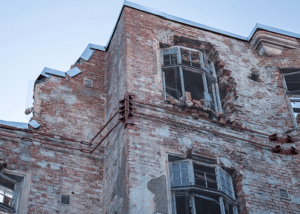
Mortar that looks dry, flaky, or broken is one of the clearest signs of deterioration. In NYC, this often happens faster due to seasonal weather changes.
Gaps Between Bricks
Visible spaces between bricks indicate that the mortar has worn away. These gaps allow water and air to enter the wall system.
Water Penetration After Rain
If moisture appears on interior walls after rainfall, weakened mortar joints are often the entry point.
White Stains (Efflorescence)
A powdery white residue on bricks shows that water is moving through the wall and carrying salts to the surface.
Interior Wall Dampness or Mold
Damp patches inside the property, especially near exterior walls, can signal failing mortar behind the brickwork.
Loose or Shifting Bricks
When mortar loses its strength, bricks may begin to move slightly, affecting overall stability.
Mortar Receding Deep into Joints
If the mortar sits noticeably deeper than the brick surface, it has already started eroding and needs attention.
These signs may not always appear together, but even one or two can indicate that brick pointing is required. In NYC buildings, early action is important because minor surface issues can quickly develop into structural concerns.
Hidden Signs Most Property Owners Miss
Not all brickwork issues are obvious at first glance. Some early warning signs remain subtle and are often overlooked during casual inspections. These hidden indicators can still point to underlying mortar problems that need attention.
Less obvious signs to watch for:
- Fine hairline cracks that become visible only under direct sunlight
- Uneven mortar color, suggesting moisture absorption in certain areas
- A persistent damp smell near exterior-facing walls
- Minor leaks or stains forming around windows and lintels
These subtle changes usually appear before more visible damage develops. Paying attention to them can help property owners in NYC address issues early, avoiding larger repair work and maintaining the condition of both residential and commercial buildings.
How to Inspect Your Brickwork (NYC Practical Guide)
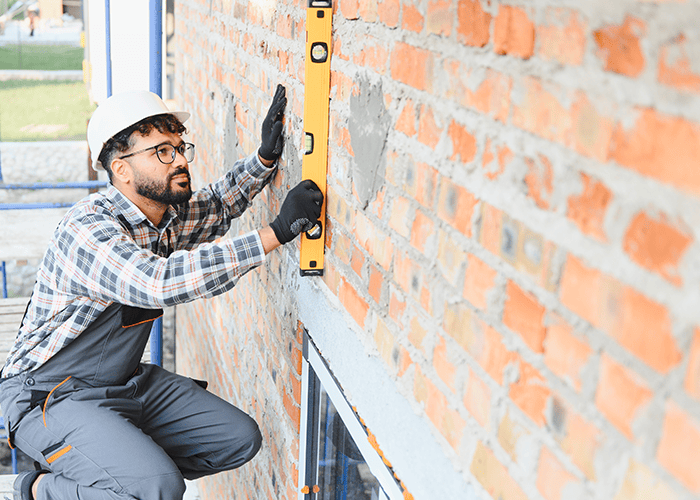
Not every brickwork issue is obvious from a quick glance. A careful inspection helps you catch early signs before they turn into costly problems, especially in NYC where exterior walls face constant exposure.
Start with a simple visual scan:
- Check mortar lines for cracks or uneven depth
- Look at corners and window edges where stress usually appears first
- Notice any color changes in the joints
Then move inside the property and focus on walls that connect to the exterior. Damp patches, peeling paint, or a slight musty smell can point to hidden mortar failure.
One important thing to keep in mind: NYC buildings, especially taller ones, should not be inspected closely without proper safety measures. If the damage is not clearly visible from ground level or basic observation, a professional inspection is the safer route.
When to Call a Brick Pointing Contractor in NYC
You don’t need a contractor for every minor crack, but delaying too long can make repairs more complex than they need to be.
Call a professional when:
- Multiple signs appear at the same time
- Mortar is visibly missing in several areas
- Bricks feel loose or slightly out of place
- Water is entering after rain
In NYC, older buildings and high-rise structures often require a more experienced approach. Contractors not only assess visible damage but also identify underlying issues that may not be obvious during a basic check.
If you are unsure, it is better to get an evaluation early. A controlled repair is always easier than dealing with widespread deterioration later.
Risks of Ignoring Brick Pointing Issues
Ignoring damaged mortar does not keep the condition stable—it allows it to worsen in ways that are not always immediately visible.
At first, the impact may seem minor, like small cracks or slight gaps. Over time, these openings allow water to enter the wall system. Once inside, moisture spreads behind the brick surface, affecting insulation and interior finishes. During colder months, this trapped moisture can freeze, expand, and cause internal damage.
Another risk is structural imbalance. Mortar holds bricks together and distributes pressure evenly across the wall. As it weakens, certain areas begin to carry more load than others, which can lead to shifting or instability. In NYC’s closely built environment, this type of deterioration can extend beyond a single wall if left unaddressed.
Taking action early helps maintain stability, prevents internal damage, and avoids more expensive restoration work later.
How Often Should Brick Pointing Be Done in NYC
Brick pointing is not something that follows a fixed timeline for every building. In NYC, the lifespan of mortar joints depends heavily on exposure, building age, and previous repair quality.
In general, well-maintained brickwork can last 20 to 30 years, but this range often shortens in NYC conditions. Buildings facing heavy wind, direct rain exposure, or located in high-traffic areas tend to experience faster wear. Older properties, especially historic brownstones or pre-war buildings, may require more frequent attention due to aging materials.
Instead of relying only on time, it is more practical to monitor the condition of the mortar itself. Regular visual checks help identify whether repointing is needed sooner. Waiting for visible damage to spread usually results in larger repair areas, which increases both cost and effort.
Professional Brick Pointing Process (NYC Overview)
A proper brick pointing job is more than just filling gaps—it requires a structured approach to ensure long-term durability and compatibility with the existing structure.
Step 1: Inspection and Assessment
The contractor examines mortar condition, depth of damage, and overall wall stability to determine the correct repair approach.
Step 2: Removal of Damaged Mortar
Old and weakened mortar is carefully removed without damaging surrounding bricks.
Step 3: Application of New Mortar
Fresh mortar is applied, matched in strength and flexibility to suit the building’s requirements.
Step 4: Finishing and Curing
The joints are shaped properly, and the mortar is allowed to cure to achieve full strength and weather resistance.
When done correctly, this process restores both the structural integrity and appearance of brickwork. In NYC, matching the right mortar composition is especially important to prevent future damage.
Cost Insight: Early vs Late Repairs
The timing of brick pointing has a direct impact on overall repair cost. Small issues handled early require less material, less labor, and less time. As damage spreads, the scope of work increases significantly.
Early-stage repairs usually involve limited sections of mortar replacement, making them more manageable. On the other hand, delayed repairs often require larger wall areas to be addressed, along with additional fixes caused by water damage or structural impact.
Another factor to consider in NYC is accessibility. Repairs at higher elevations or in difficult-to-reach areas add complexity and cost. Addressing issues early, before they expand or reach critical sections, helps keep the process more efficient and controlled.
From a long-term perspective, timely brick pointing is not just a maintenance task—it is a cost-saving decision that protects both residential and commercial properties.
Why NYC Properties Need Professional Pointing (Not DIY)
Brick pointing might look simple from the outside, but NYC properties require a much more careful approach. The height of buildings, exposure to weather, and the condition of older masonry make this work more technical than it appears.
Many property owners consider small repairs on their own, but the risk comes from using the wrong mortar mix or applying it incorrectly. If the new mortar is stronger than the original, it can force pressure onto the bricks instead of protecting them. Over time, this can cause cracking or surface damage that was not there before.
Another factor is safety. Working on exterior walls, especially above ground level, requires proper equipment and experience. In NYC, even minor exterior work needs to be handled with awareness of building conditions and surrounding structures. A professional contractor ensures the repair is done correctly, safely, and in a way that supports long-term durability.
Final Thoughts
Brickwork does not fail all at once. It gives small signals first, and those signals are often easy to miss or ignore. Paying attention to early changes in mortar condition helps prevent deeper issues that affect both the structure and the interior of the property.
In NYC, where buildings are constantly exposed to environmental stress, regular observation makes a real difference. Acting early keeps repairs controlled, avoids unnecessary damage, and helps maintain the strength of both residential and commercial properties.
A simple check today can save significant effort and cost later.
FAQs – Brick Pointing in NYC
How do I know if my brickwork needs pointing in NYC?
If you notice cracked, missing, or recessed mortar along with moisture signs, it is a strong indication that pointing is required.
Can damaged mortar cause leaks inside the building?
Yes, weakened mortar allows water to pass through the wall, which can lead to interior dampness and long-term damage.
Is brick pointing necessary for older NYC buildings?
Older properties often require more frequent pointing because the original mortar weakens over time and becomes less effective.
How long does brick pointing last in NYC conditions?
The lifespan depends on exposure and quality of work, but properly done pointing can last a couple of decades with regular checks.
Can I delay brick pointing if the damage looks minor?
Minor damage can spread quickly in NYC weather conditions, so delaying repairs often leads to larger issues.
Does brick pointing improve property value?
Maintained brickwork helps preserve structural integrity and appearance, which supports overall property value.
Is professional inspection necessary before pointing work?
A professional inspection helps identify the actual condition of mortar and ensures the correct repair approach is used.
What happens if I ignore mortar joint damage?
Ignoring it can lead to water intrusion, internal damage, and gradual weakening of the wall structure.