Common Causes of Brick Damage in NYC Buildings
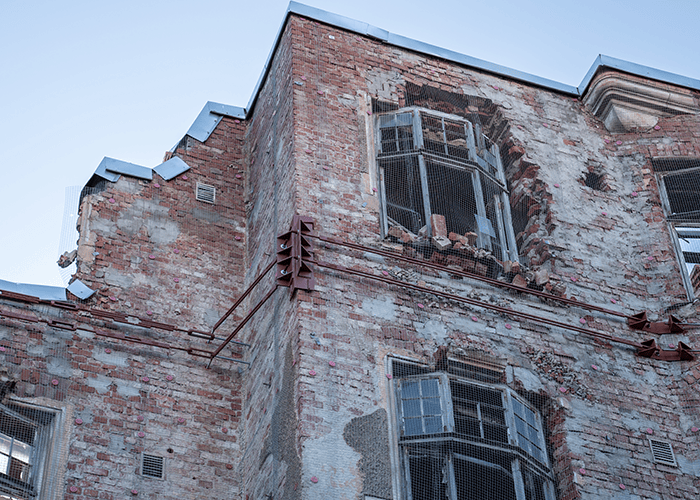
Brick buildings define the visual identity of New York City, from historic brownstones to mid-rise residential blocks and commercial facades. But behind that solid appearance, brick is constantly exposed to pressure from weather, moisture, pollution, and structural stress. Over time, even high-quality masonry begins to weaken if these forces are not managed properly.
What makes brick damage more critical in NYC is not just the environment, but how quickly small issues turn into expensive structural problems. A minor crack or a slightly worn mortar joint can allow water to enter, leading to deeper internal damage that spreads beyond the surface. Many property owners only notice the problem when visible deterioration appears, but by then, the underlying issue is often already advanced.
Understanding what causes brick damage is the first step toward preventing long-term repairs. When you know what to look for and why it happens, you can act early, reduce costs, and protect both the structure and value of your property.
At a Glance
- Freeze and moisture cycles are one of the most damaging forces affecting brick in NYC
- Water intrusion through weak mortar joints is a leading cause of long-term deterioration
- Air pollution slowly breaks down brick surfaces and accelerates aging
- Structural movement creates stress cracks that worsen over time
- Poor repair work often causes more damage than it fixes
Why Brick Damage Happens Faster in NYC Than Other Cities
Brick damage in New York City develops at a faster pace because buildings are exposed to multiple stress factors at the same time. Unlike calmer environments, NYC structures face constant pressure from climate shifts, aging materials, and urban conditions, which collectively weaken brick and mortar over time.
- Frequent freeze and moisture cycles: Water enters small gaps and expands when it freezes, creating internal cracks
- Older building stock: Many properties were built decades ago and rely on maintenance to stay structurally sound
- High exposure to wind and elevation: Taller buildings face stronger wind pressure that impacts facade durability
- Urban pollution and airborne particles: Contaminants settle on brick surfaces and slowly break them down
- Traffic and ground vibrations: Continuous movement from nearby roads adds stress to masonry systems
When these factors combine, even minor weaknesses can escalate quickly. This is why brick damage in NYC often appears sudden, but in reality, it builds up silently over time before becoming visible.
Main Causes of Brick Damage in NYC Buildings
Brick damage in NYC is rarely caused by a single factor. In most cases, it is the result of multiple issues working together over time. Understanding these causes helps property owners identify risks early and take the right action before the damage spreads.
Freeze and Moisture Cycles That Break Brick Internally
Seasonal temperature changes in NYC create a cycle where water enters small pores in the brick and then freezes. When water freezes, it expands, placing pressure inside the material and causing cracks that grow with each cycle.
Water Intrusion Through Weak Mortar Joints
Mortar joints act as the first line of defense against moisture. When they begin to wear out or crack, water finds an easy path into the wall system, leading to internal deterioration that is not immediately visible.
Pollution and Surface Erosion in Urban Areas
Airborne pollutants settle on brick surfaces and gradually react with moisture. Over time, this process weakens the outer layer of the brick, causing discoloration, flaking, and loss of strength.
Structural Movement and Settlement Stress
Buildings naturally shift over time due to foundation movement or load changes. This movement creates stress points in brickwork, leading to cracks that can widen if not addressed early.
Improper Repairs and Incompatible Materials
Using the wrong type of mortar or poor repair techniques can create more harm than good. Instead of solving the issue, these fixes often trap moisture or create uneven stress, accelerating damage.
These causes often overlap, which is why brick damage tends to progress faster than expected. What starts as a small issue can quickly affect a larger section of the structure if multiple factors are involved.
Hidden Causes Most Property Owners Ignore
Not all brick damage is caused by obvious factors like weather or visible cracks. Some of the most damaging issues come from overlooked conditions that slowly weaken the structure without immediate signs.
- Improper waterproof coatings: Certain coatings trap moisture inside the wall instead of allowing it to escape
- Window and lintel expansion pressure: Metal components expand and push against surrounding brickwork
- HVAC installations and wall penetrations: Openings created for systems can allow moisture to enter if not sealed properly
- Blocked drainage paths: Water that cannot drain properly gets redirected into brick surfaces
- Material aging under constant stress: Older bricks may lose their resistance to environmental pressure over time
These hidden factors often go unnoticed during routine checks. As a result, damage continues to develop behind the surface until it becomes visible and more expensive to repair.
Early Warning Signs Before Major Brick Damage
Brick damage rarely appears suddenly. In most cases, there are early signs that indicate the structure is under stress. Recognizing these signals allows property owners to act before the problem becomes severe.
- Hairline cracks along mortar joints or bricks: Early indication of stress or movement
- White powder deposits on the surface: A sign of moisture movement within the wall
- Loose or crumbling mortar: Indicates weakening joints that can allow water entry
- Bulging or uneven brick sections: Suggests internal pressure or structural shift
- Dark stains or damp patches: Often linked to ongoing water intrusion
Spotting these warning signs early can prevent extensive repairs later. Addressing small issues at the right time helps maintain the strength, safety, and appearance of brick structures in NYC buildings.
How Brick Damage Spreads If Ignored
Brick damage rarely stays limited to one spot. Once a weak point develops, the structure begins to react in a chain, where one issue feeds another. This is why small, ignored problems often turn into large-scale repairs across an entire facade.
- Cracks allow water to enter deeper layers
- Moisture weakens internal bonding of bricks and mortar
- Freeze cycles expand existing damage from inside
- Adjacent bricks begin to loosen due to shared stress
- Surface damage turns into structural instability over time
As this process continues, the damage moves beyond the visible surface and starts affecting the integrity of the wall system. What could have been a simple repair gradually becomes a more complex and costly restoration.
Impact of Brick Damage on Property Value in NYC
In a competitive real estate market like NYC, building condition directly influences how a property is perceived and valued. Brick damage does not just affect appearance, it raises concerns about safety, maintenance costs, and long-term reliability.
Buyers and tenants often interpret visible facade issues as a sign of deeper structural problems. Even minor cracks or discoloration can reduce confidence, leading to lower offers or delayed decisions. In many cases, properties with unresolved brick damage stay longer on the market or require price adjustments to attract interest.
From an inspection perspective, damaged brickwork can trigger further evaluation, which may uncover additional issues. This creates negotiation challenges and can impact financing approvals. Maintaining brick in good condition helps protect both the visual appeal and financial strength of a property.
NYC Regulations and Why Timely Repair Matters
New York City has strict regulations when it comes to building facades, especially for multi-story properties. These rules are designed to ensure public safety and prevent hazards caused by falling debris or structural failure.
- Facade inspection requirements: Buildings must undergo periodic inspections to assess exterior conditions
- Unsafe condition classifications: Visible damage can lead to official safety violations
- Mandatory repairs within set timelines: Delays can result in penalties or enforcement actions
- Public safety measures: Sidewalk protection may be required if risks are identified
- Increased scrutiny for older buildings: Aging structures are monitored more closely
Timely repairs are not just about maintenance, they are essential for compliance. Addressing brick damage early helps property owners avoid legal complications, reduce liability risks, and keep their buildings aligned with city requirements.
Prevention Strategies That Actually Work
Preventing brick damage in NYC is less about reacting to visible issues and more about controlling the conditions that cause deterioration in the first place. A proactive approach reduces long-term repair costs and keeps the building structurally stable.
Regular inspections should be scheduled to catch early-stage problems that are not visible from the ground. Repointing worn mortar joints at the right time helps block moisture entry before it spreads internally. Proper waterproofing methods must be breathable so moisture does not get trapped inside the wall system.
- Routine facade inspections by professionals
- Timely repointing of deteriorated mortar joints
- Use of breathable waterproofing systems
- Maintaining proper roof drainage and flashing
- Addressing minor cracks before they expand
When these strategies are applied consistently, they create a protective system around the building. Instead of reacting to damage, the structure stays ahead of it, reducing both risk and repair frequency.
Professional vs DIY Brick Repair in NYC
Repairing brickwork in NYC is not just a technical task, it requires an understanding of building behavior, materials, and local conditions. While small fixes may seem manageable, improper repairs often lead to more serious issues over time.
DIY repairs typically focus on visible damage, but they rarely address the root cause. Using incorrect mortar types or sealing methods can trap moisture, making the situation worse. In contrast, professional contractors evaluate the entire wall system, ensuring that repairs are compatible with the existing structure.
- DIY repairs often ignore underlying moisture issues
- Incorrect materials can accelerate brick deterioration
- Professionals match mortar and repair methods to building age
- Structural assessment is part of expert-level repair work
- Long-term durability depends on correct application techniques
Choosing the right approach is critical. In a complex environment like NYC, professional repair work is usually the safer and more effective option for maintaining both structure and compliance.
When You Should Call a Brick Repair Contractor
Knowing when to involve a professional can prevent minor issues from turning into major structural concerns. Some signs clearly indicate that the damage has moved beyond basic maintenance and requires expert attention.
If cracks begin to widen, sections of brick appear loose, or moisture-related signs continue to return even after minor fixes, it is time to act. Delaying professional intervention often increases both the scope and cost of repairs.
You should consider contacting a contractor when you notice:
- Repeated cracking in the same area
- Visible movement or bulging in the facade
- Persistent dampness or staining on brick surfaces
- Mortar joints that are crumbling or missing
- Any signs of falling debris or loose materials
Early involvement of a qualified contractor helps diagnose the root cause and apply the right solution. This not only protects the building but also ensures that repairs are handled safely and effectively.
Final Thoughts
Brick damage in NYC buildings is rarely sudden. It builds gradually through exposure to moisture, temperature changes, and structural stress. What makes it risky is how quietly it develops before becoming visible on the surface.
Property owners who stay proactive with inspections and timely repairs usually avoid major structural issues and high restoration costs. On the other hand, delaying action often leads to wider damage that affects both safety and property value.
The smartest approach is simple. Understand the causes, recognize early signs, and act before the problem spreads. This keeps your building protected, compliant, and structurally sound in a demanding environment like New York City.
FAQs
What are the most common causes of brick damage in NYC buildings?
Brick damage in NYC is mainly caused by moisture penetration, freeze cycles, aging materials, pollution exposure, and structural movement. These factors often work together rather than individually.
How can I tell if my brickwork needs repair?
Signs like cracks, loose mortar, water stains, and surface discoloration usually indicate that repairs are needed. If these issues continue to appear, the damage may already be spreading internally.
Is brick damage a structural concern or just cosmetic?
In many cases, it starts as a cosmetic issue but can turn into a structural problem if ignored. Moisture intrusion and internal weakening can affect the stability of the wall over time.
How often should brick buildings be inspected in NYC?
Regular inspections are recommended at least once a year, with more detailed checks for older buildings or properties exposed to heavy weather and urban stress.
Can weather alone cause brick deterioration in NYC?
Weather plays a major role, especially freeze and moisture cycles. However, damage usually accelerates when combined with poor maintenance or existing weaknesses in the structure.
What is the role of mortar in preventing brick damage?
Mortar acts as a protective barrier between bricks. When it deteriorates, it allows water to enter the wall system, which leads to deeper and more serious damage.
Are DIY brick repairs effective for NYC properties?
DIY repairs may temporarily fix visible issues but often fail to address the root cause. Incorrect methods can trap moisture and make the problem worse over time.
Does NYC require facade inspections for brick buildings?
Yes, certain buildings must follow facade inspection requirements to ensure safety and compliance. These inspections help identify risks before they become hazardous.